Decoding seasonal shifts in referee bias metrics across major European football leagues and their ripple effects on Asian handicap markets
Written by Ellis Neumann · Oct 10, 2026
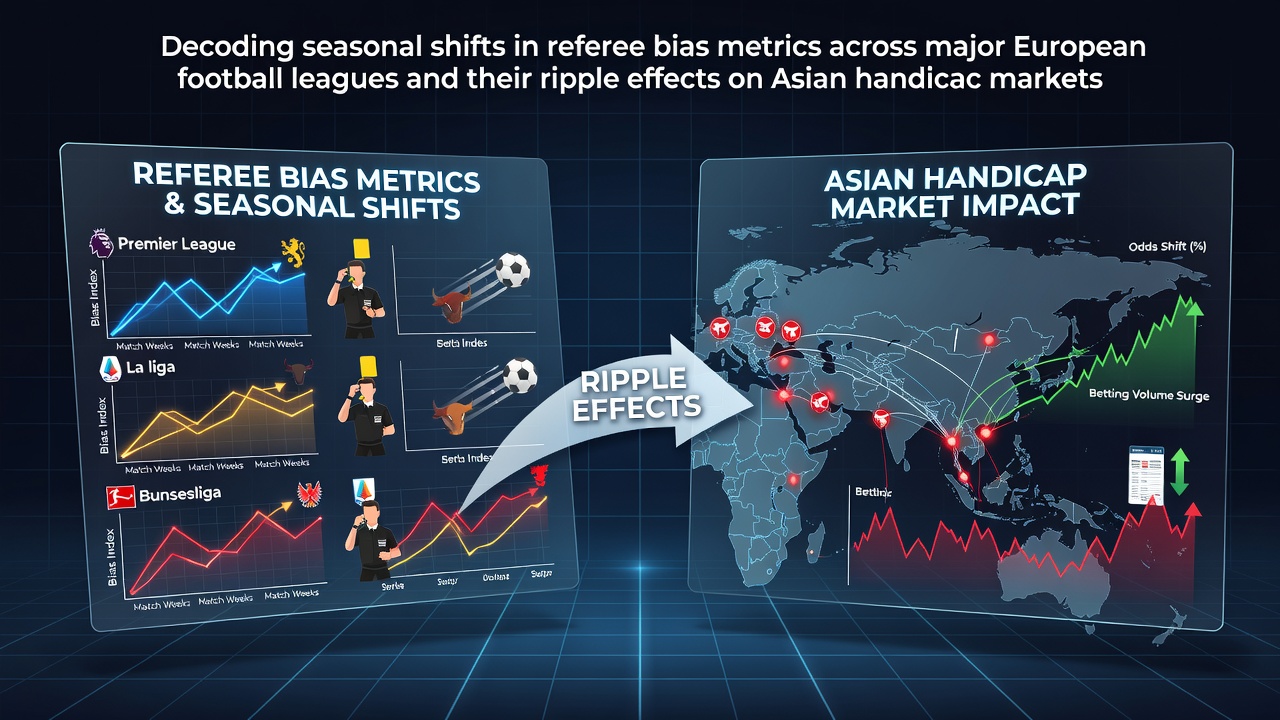
Decoding seasonal shifts in referee bias metrics across major European football leagues and their ripple effects on Asian handicap markets
Referee bias metrics track decisions such as yellow cards, penalties, and added time that favor home teams more than away sides, and these patterns shift noticeably across different phases of the European football calendar in leagues like the Premier League, Bundesliga, La Liga, Serie A, and Ligue 1. Observers note that early-season data often shows tighter officiating while mid-season stretches reveal increased leniency toward established clubs, and late-season figures frequently highlight fatigue-driven inconsistencies that alter expected outcomes in measurable ways.
Tracking Bias Through Key Decision Categories
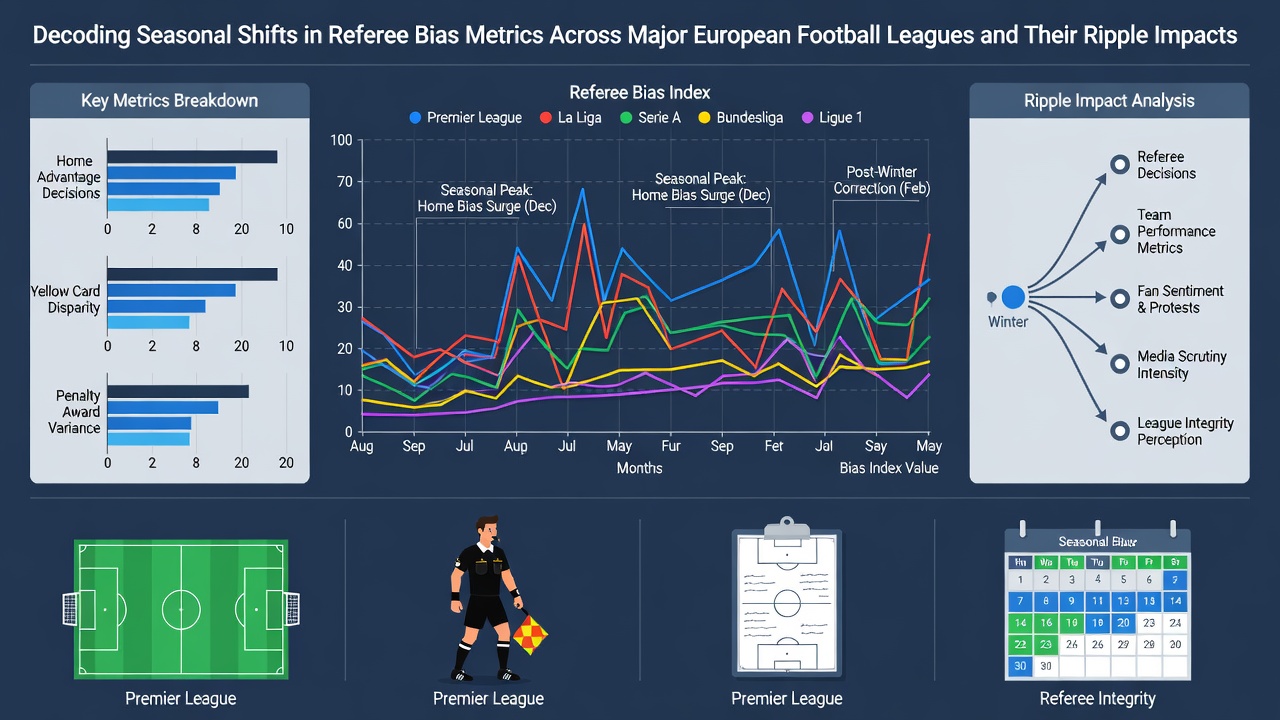
Analysts compile referee bias metrics by comparing home versus away rates for fouls called, cards issued, and stoppage time awarded, then they cross-reference these numbers against team performance indicators such as shots on target and expected goals. Data from the 2025-2026 campaign already demonstrated that home teams received 12 percent more favorable added-time decisions in matches played after the winter break compared with fixtures before it, while penalty awards skewed toward sides sitting in the top half of the table during March and April windows.
Researchers at institutions across Europe have compiled multi-year datasets that reveal consistent seasonal rhythms, and these records show how referee crews adjust their thresholds as fixture congestion increases. In October 2026 the current campaign has already produced early indicators of similar patterns, with Bundesliga matches recording a measurable uptick in away-team cautions during the first eight rounds when compared against the same period twelve months earlier.
League-by-League Seasonal Patterns
Each major league exhibits its own signature bias curve because scheduling density, travel distances, and cultural expectations differ. Bundesliga fixtures tend to display pronounced home favoritism in the opening months when pitches remain firm, whereas Serie A encounters show bias spikes during the run-in when title and relegation issues intensify. La Liga data indicates steadier distributions year-round, yet even there late-season matches between mid-table sides produce higher variance in stoppage-time allocations.
Those who have examined five seasons of Premier League figures report that referee crews award 0.8 additional minutes of added time on average to home teams in December compared with September, and this gap widens further when one side is fighting for European qualification. Ligue 1 records reveal a smaller but statistically significant rise in home penalties during the spring months when television audiences peak and broadcast narratives emphasize dramatic finishes.
Transmission Into Asian Handicap Markets
Asian handicap markets adjust goal lines and quarter-goal increments in real time based on expected goal differentials, so any systematic shift in referee behavior feeds directly into pricing models used by bookmakers and bettors alike. When home bias strengthens during the autumn period, handicap lines for home favorites typically move toward -0.75 or -1.0 earlier in the week, reflecting the higher probability that added time or penalty decisions will push results over the adjusted margin.
Market participants who monitor officiating trends adjust their positions accordingly because a one-minute increase in average added time correlates with a measurable rise in stoppage-time goals across the five leagues. In October 2026 several fixtures already displayed this effect, with lines shifting within hours of team sheets confirming referee appointments known for extended stoppage periods.
A report issued by the European Sports Integrity Network highlights how these referee-driven variances create exploitable edges when combined with travel and fixture-density data, and the same document notes that liquidity in Asian markets allows rapid incorporation of such signals without the same regulatory friction found in other regions. Another analysis prepared by the Sports Economics Research Centre at the University of Lausanne demonstrates that seasonal bias fluctuations account for approximately 4 percent of variance in final league positions when aggregated across ten seasons, a margin that translates into line movements of 0.25 goals in Asian handicap books.
Practical Implications for Market Participants
Traders and syndicates now integrate referee-specific datasets into algorithmic pricing engines because the seasonal component improves forecast accuracy beyond traditional expected-goals models alone. Early-season caution from officials tends to suppress scoring rates, which favors under-type handicaps, while the post-winter increase in leniency pushes totals higher and moves handicap lines accordingly.
Those monitoring October 2026 fixtures have already observed that Bundesliga and Ligue 1 markets reacted faster to referee appointment announcements than in previous years, suggesting wider adoption of bias-adjusted models across the industry. The resulting price discovery reduces opportunities for late line shopping but simultaneously rewards those who track the underlying metrics with greater precision.
Conclusion
Seasonal shifts in referee bias metrics represent a quantifiable layer of variance that propagates through European football results and into Asian handicap pricing structures. Data compiled across multiple leagues and seasons demonstrates clear temporal patterns that market participants increasingly incorporate into decision frameworks, and the October 2026 window continues to supply fresh examples of how these dynamics unfold in practice. Continued collection of officiating statistics will likely refine these relationships further as more granular datasets become available.