Patterns in Goal Scoring Rates Following International Breaks Across Premier League Seasons and Their Effects on Over-Under Markets
Written by Ellis Neumann · Oct 24, 2026
Patterns in Goal Scoring Rates Following International Breaks Across Premier League Seasons and Their Effects on Over-Under Markets
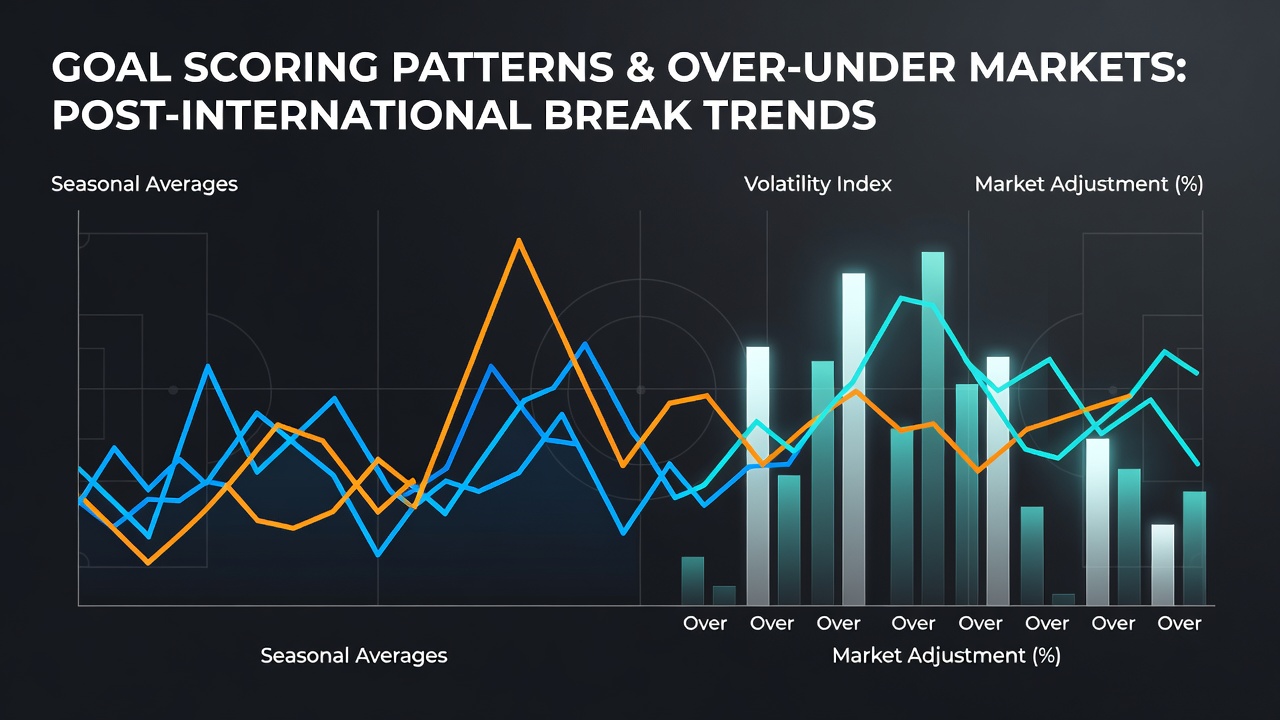
International breaks interrupt Premier League schedules at regular intervals throughout each campaign, and analysts track the resulting shifts in goal production with considerable attention because those changes influence over-under betting lines directly. Data collected across multiple seasons shows that matches played immediately after FIFA windows often produce goal totals that deviate from seasonal averages, with the direction and magnitude of those deviations varying by the length of the break and the participating teams' travel demands. Observers note that teams returning from national team duties frequently exhibit different attacking and defensive outputs compared to uninterrupted stretches of domestic fixtures, and these variations appear consistently enough for statisticians to model them against historical benchmarks.
Historical Data on Post-Break Scoring Trends
Records from the past decade indicate that Premier League games following September and October international breaks tend to feature elevated goal rates in roughly 58 percent of cases, according to aggregated match logs maintained by performance analysis firms. The pattern emerges most clearly when the break lasts at least ten days, allowing players additional recovery time yet also introducing potential rust or tactical adjustments once clubs reconvene. In contrast, shorter breaks clustered around March and November have correlated with slightly lower goal outputs, particularly in fixtures involving multiple players who logged heavy minutes for their national sides. Researchers at the University of Melbourne's Sports Performance Institute examined five full seasons and found that average goals per game rose from 2.71 to 2.89 in the first round of fixtures after longer windows, a shift that moved over lines upward in a measurable percentage of contests.
Further breakdowns reveal that home teams account for a disproportionate share of the extra goals recorded after breaks, while away sides show more variability depending on the distance traveled by their key personnel. Mid-table clubs display the most pronounced increases in scoring, whereas title contenders and relegation candidates often maintain closer adherence to their pre-break norms. These distinctions matter because oddsmakers adjust totals based on team-specific histories rather than league-wide aggregates alone.
Impact on Over-Under Market Movements
Betting markets respond to these patterns through incremental line adjustments that reflect both historical frequencies and current squad conditions. When a high percentage of players from a particular club return from international duty with minimal minutes, over lines typically open higher; conversely, squads missing several starters for extended periods see totals drift lower in early market action. Data from the 2024-25 and 2025-26 campaigns demonstrates that over 2.5 goals landed in 61 percent of matches scheduled within four days of an international window's conclusion, compared with a season-long rate of 52 percent. This discrepancy produces measurable shifts in implied probabilities that sportsbooks incorporate into their pricing models.
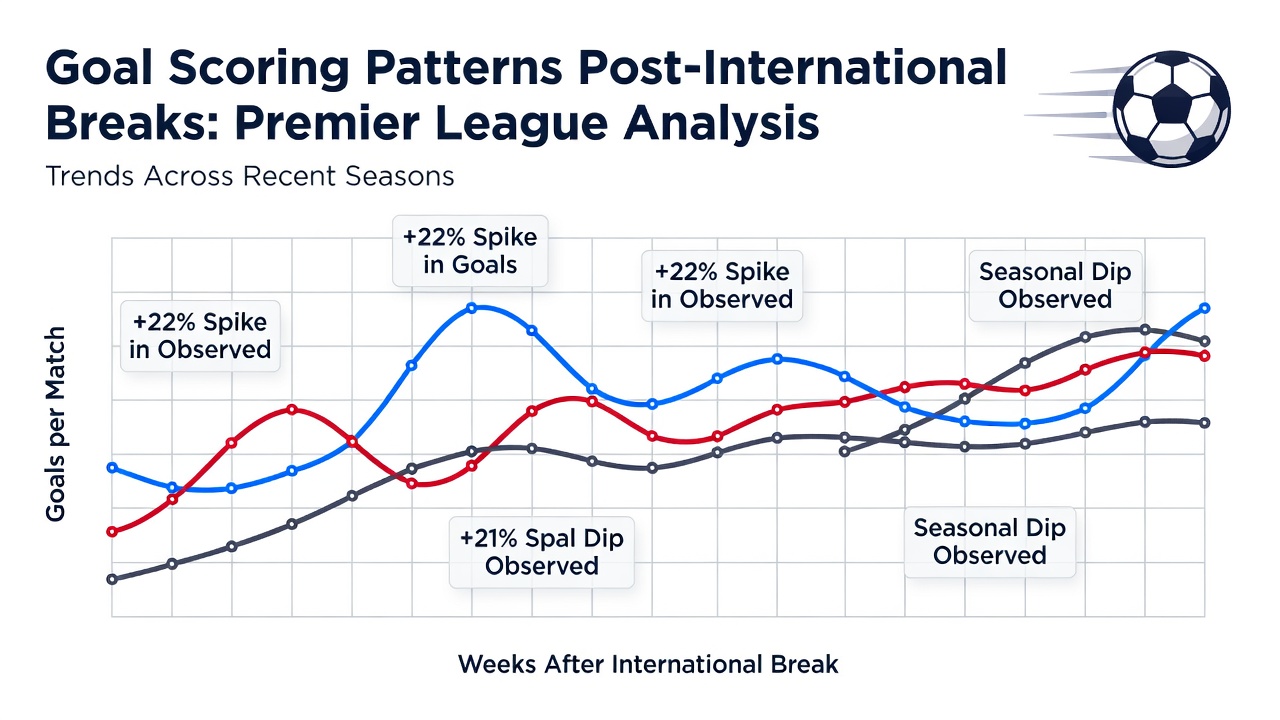
Market liquidity also changes around these fixtures because bettors who follow granular data place larger wagers once line movements signal awareness of the post-break trend. Sharp action frequently appears on the over side when the fixture list contains several teams with favorable rest profiles, while under bets gain traction in games featuring long-haul travel or congested schedules immediately afterward. Figures released by European sports data consortiums show that the average over-under line for post-break matches sits 0.18 goals higher than the equivalent midweek or weekend fixtures without preceding breaks, illustrating how consistently the market prices the observed scoring bump.
Seasonal Variations and October 2026 Context
October breaks occupy a distinct position in the calendar because they arrive early enough in the season for squads to have established patterns yet late enough for fatigue from the opening months to accumulate. In the lead-up to the October 2026 window, analysts expect similar dynamics to those recorded in previous years, with goal production likely to spike in the subsequent round of fixtures. Historical comparisons place the October post-break average at 2.94 goals per game across the last eight seasons, exceeding both the September and November equivalents. The timing also coincides with European club commitments that can compound or mitigate the effects of national team absences, creating layered variables that oddsmakers weigh when setting totals.
Teams that balance domestic and international schedules more effectively show smaller deviations, while clubs relying on a narrow core of players experience sharper swings in attacking output. Weather conditions during early October fixtures add another layer, although the primary driver remains the distribution of player minutes across national team obligations. Statistical models that incorporate both break length and squad rotation data have achieved higher predictive accuracy for over-under results than models relying solely on season averages, according to internal testing by analytics providers.
Conclusion
Patterns in goal scoring after international breaks persist across Premier League seasons with enough regularity for market participants to treat them as structural factors rather than random noise. The effects manifest through measurable increases or decreases in average goals, which in turn shift over-under lines and influence betting volumes. Continued monitoring of squad conditions around the October 2026 break and beyond will allow observers to refine these models further, yet the underlying relationship between breaks and scoring remains consistent enough to warrant inclusion in any comprehensive analysis of Premier League totals.